Women’s health is whole-body health
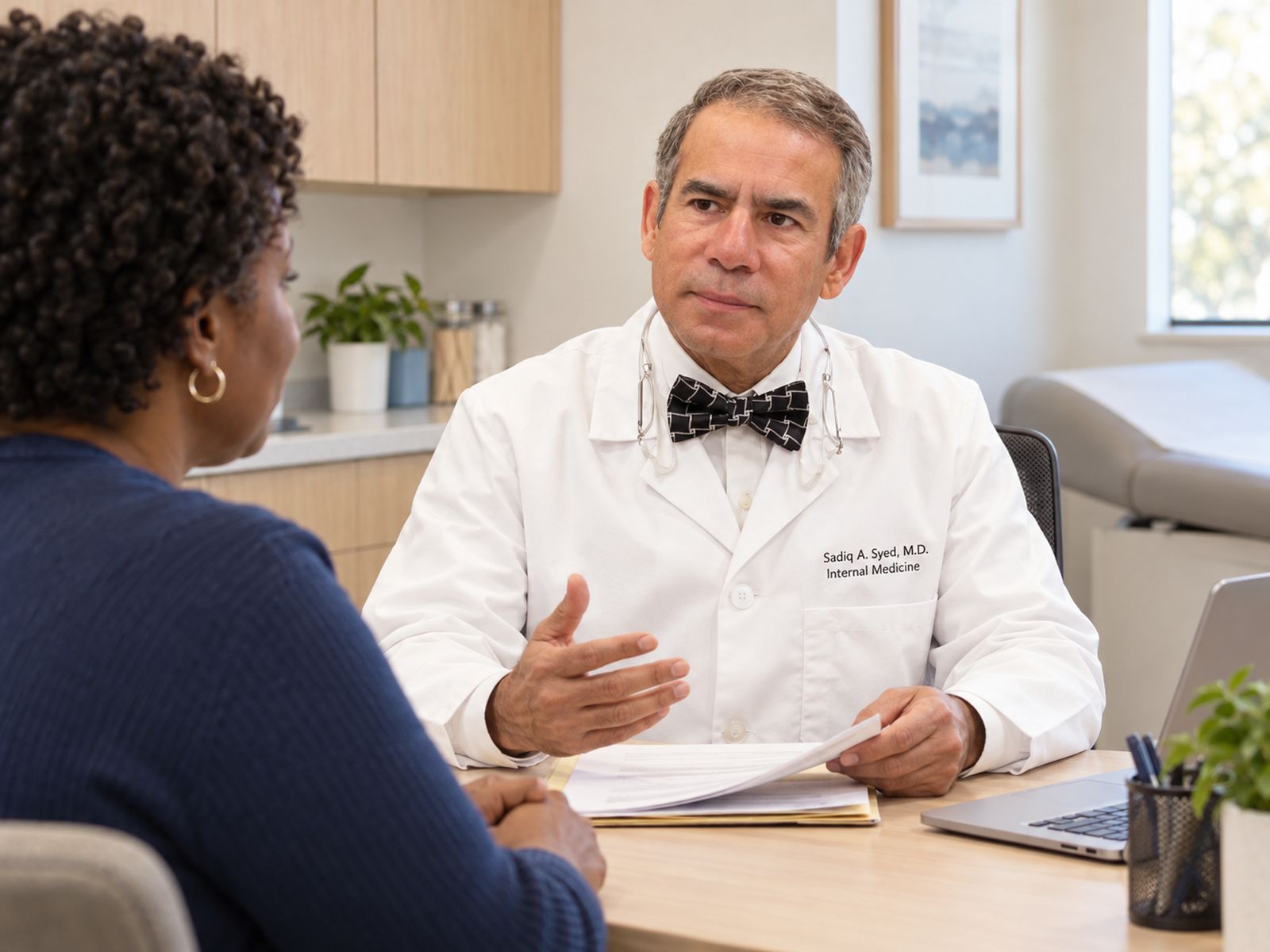
Women’s health isn’t only reproductive health. Heart disease, diabetes, thyroid problems and bone loss all affect women, sometimes in different ways from men, and all of them belong in a regular family practice visit. Seeing one practice for everything keeps your screenings, medicines and history in one place.
Preventive visits and screenings
A preventive visit looks at where you are now and what’s ahead. Which screenings make sense depends on your age, family history and own health, and recommendations change as you get older. We’ll explain what’s due, what each screening involves and what the results mean. Common areas include:
- Blood pressure, cholesterol and blood sugar
- Cervical and breast cancer screening, at the ages it’s recommended
- Bone health, particularly after menopause
- Mood, sleep and stress
Heart health
Heart disease is often thought of as a men’s problem, but it affects women too, and the warning signs can be less obvious. Knowing your blood pressure, cholesterol and blood sugar is the simplest place to start.
Through every stage of life
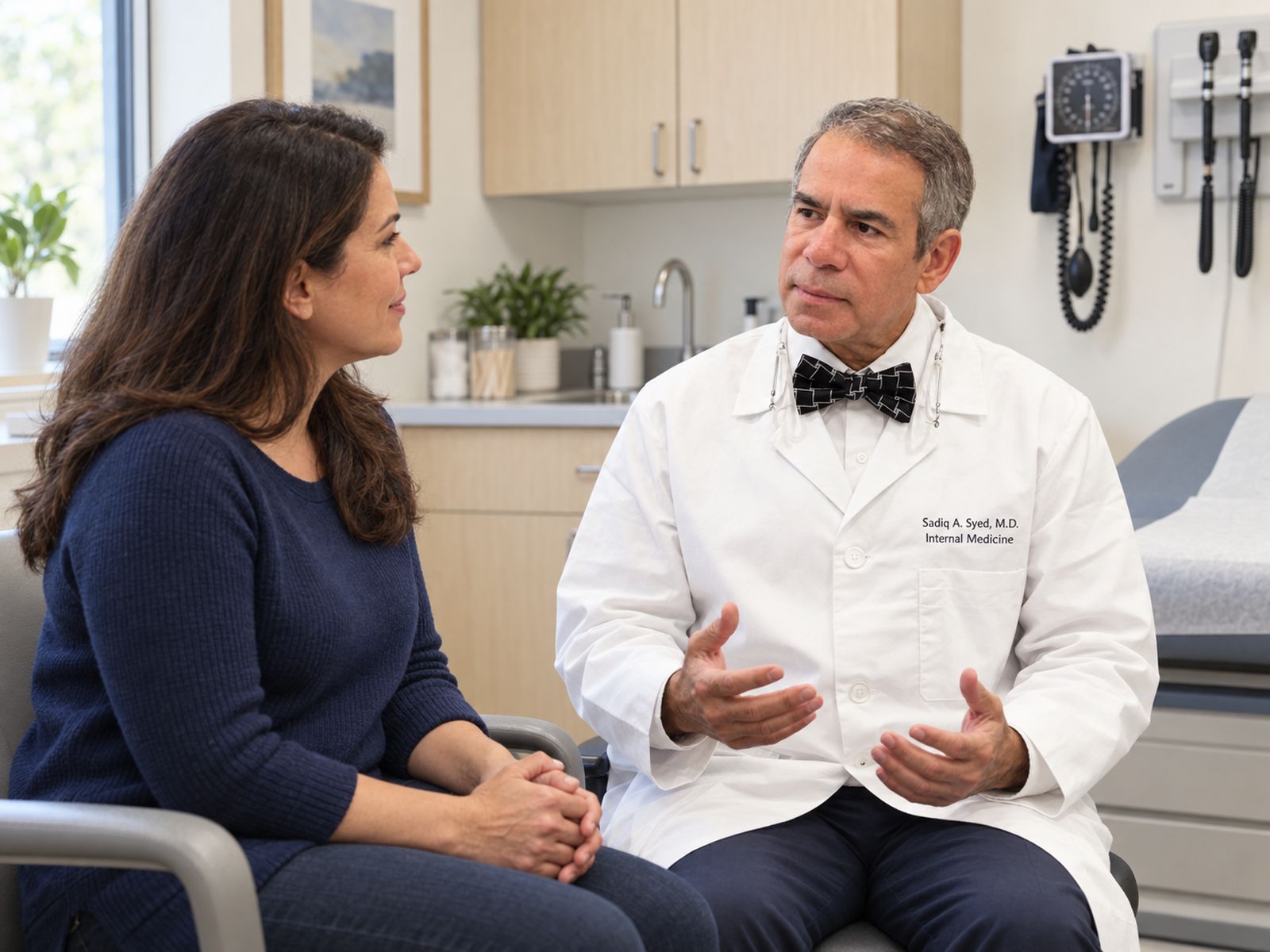
Your health questions shift over the years: periods, planning a family, the changes around menopause, and later-life concerns such as bone strength. Bring any of them to a visit. If something calls for a specialist, such as an OB/GYN, we’ll say so and explain why.
Women’s health services are provided here in the clinic, including Pap tests, breast exams and contraception counseling. A female chaperone is available in the clinic for any exam; just ask when you book or at the front desk.
Heavy or irregular periods, hot flashes that wreck your sleep, unexplained tiredness, thinning hair or a change in weight can all have causes worth checking. Mention them, even if they feel minor or you’ve been told it’s just stress.
Ongoing conditions
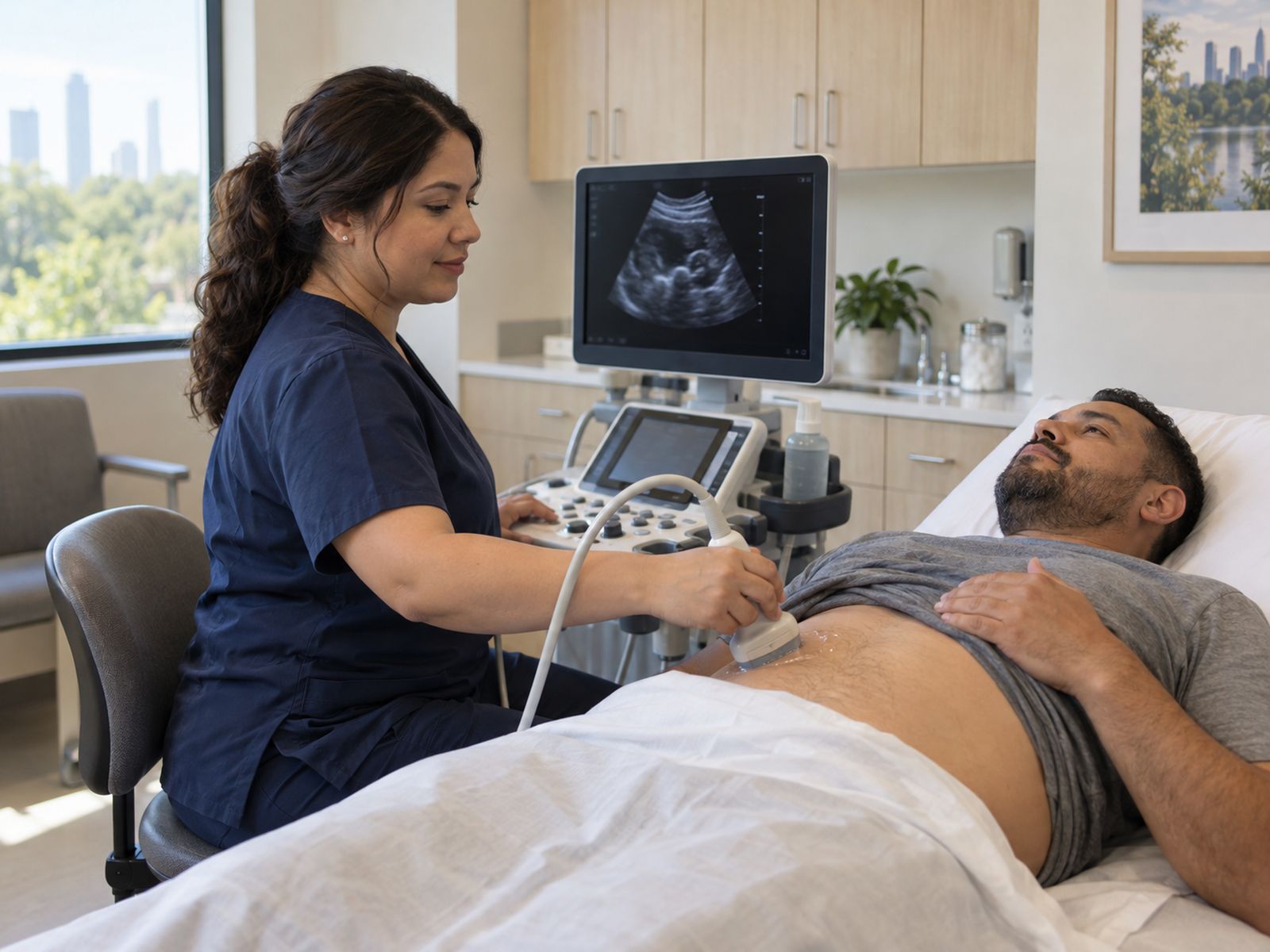
Thyroid conditions, high blood pressure, diabetes and anemia are all managed with regular checks and blood tests. Because lab work and ultrasound are available in the clinic, those checks rarely mean a separate trip.
Thyroid problems are more common in women and can look like many other things: tiredness, weight change, feeling cold or anxious, or a racing heart. A blood test is usually the place to start.
Medicare, Medicaid and most major commercial plans are accepted, and you can pay for yourself if you prefer; see which plans.
Bring to your visit
- The date your last period started, if it applies
- Dates and results of past Pap tests or mammograms, if you have them
- Family history of breast or ovarian cancer, heart disease or diabetes
- A list of everything you take, including birth control, hormones and supplements
- Photo ID and your current insurance card
Common questions
Can I see a family doctor for women’s health instead of a specialist?
For many everyday needs, yes. Preventive visits, screenings and long-term conditions are part of family practice. If you need specialist care, we’ll tell you.
Do you do Pap tests?
Yes, here in the clinic, along with breast exams and the rest of a women’s preventive visit. A female chaperone is available for any exam on request. At the visit we’ll also talk through when cervical cancer screening is due for you.
What screenings do women need?
It depends on your age, your family history and your own health, and the list changes over time. Common ones cover blood pressure, cholesterol, blood sugar, and cervical and breast cancer. Your doctor will tell you which are due.
Are heart attack symptoms different for women?
They can be. Women are more likely than men to have symptoms such as shortness of breath, nausea, unusual tiredness or back or jaw pain, sometimes without obvious chest pain. If they come on suddenly, call 911.
Can I ask for a female chaperone?
Yes. A female chaperone is available in the clinic for any exam. Mention it when you book or tell the front desk when you arrive.